How Crystal Turns Light into a Visual Experience
19
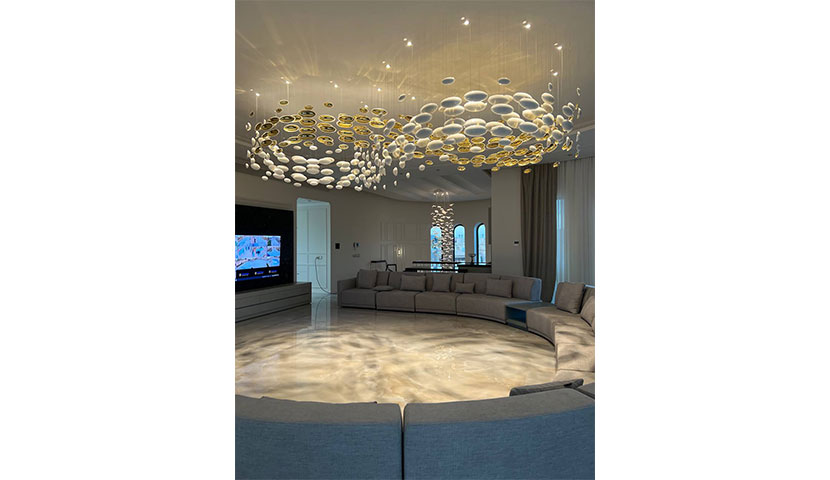
How Crystal Turns Light into a Visual Experience
I’ve always felt that crystal is more than a decorative material. It interacts with light and can completely change the mood of a room. When light hits a crystal surface, it passes through, bends, and spreads in different directions. These subtle changes make the light feel more vivid and captivating.
The crystal’s shape and cut play an important part in this effect. Its faceted surfaces reflect light from different angles. Sometimes tiny glimmers appear on the walls and ceiling; at other times, the reflections look softer and calmer. That’s why a crystal chandelier can look different throughout the day. Natural daylight, evening light, and the lamps we turn on at night each give it a new appearance.
One thing I find especially appealing is how the effect keeps changing. In the morning, sunlight might hit the crystals and scatter little flashes of color across a wall. At night, when the chandelier is switched on, the same crystals can appear brighter and draw the eye. It’s as if the chandelier reveals a different version of light each time.
To me, crystal can turn a simple corner into the room’s focal point. Light passes through the hanging crystals and brings the surrounding space to life. The chandelier feels like more than a decorative object; it seems to interact with the room. Sometimes that sparkle is all it takes to give a space character without adding lots of other decorations.
Of course, crystal looks its best when it’s chosen and installed thoughtfully. The chandelier should be the right size for the room, and its position should keep it clear of walkways and prevent the light from shining uncomfortably into people’s eyes. A fixture that’s too large can make a room feel crowded, while one that’s too small may disappear into the space.
The color and brightness of the light matter, too. Warm light usually feels more intimate and relaxing, creating a welcoming atmosphere alongside the crystal. Bright white light makes the crystal’s sparkle stand out more and can give a room a more formal or energetic feel. When I choose lighting, I think not only about how the chandelier looks, but also about how I want the room to feel.
The color and finish of the surrounding space also affect how the crystal appears. Light-colored walls reflect more light and can make a room feel brighter. Dark surfaces can make the chandelier’s sparkle stand out and create a different mood. That’s why I prefer to consider the chandelier together with the wall colors, furniture, and other elements in the room.
In the end, crystal gives me a different way to see light: light that can bend, sparkle, take on color, and fall across the details of a room. This delicate interplay between light, crystal, and its surroundings is what turns ordinary illumination into a visual experience—and makes the space feel a little different each time.