WhyShouldaChandelierBeDesignedfortheArchitectureofaSpace?Why Should a Chandelier Be Designed for the Architecture of a Space?
A chandelier does more than illuminate a room. It is part of the space’s visual composition and functional design. Its form, size, position, and light output should work with the architecture so the room feels balanced and functions comfortably.
Proportion and ceiling height
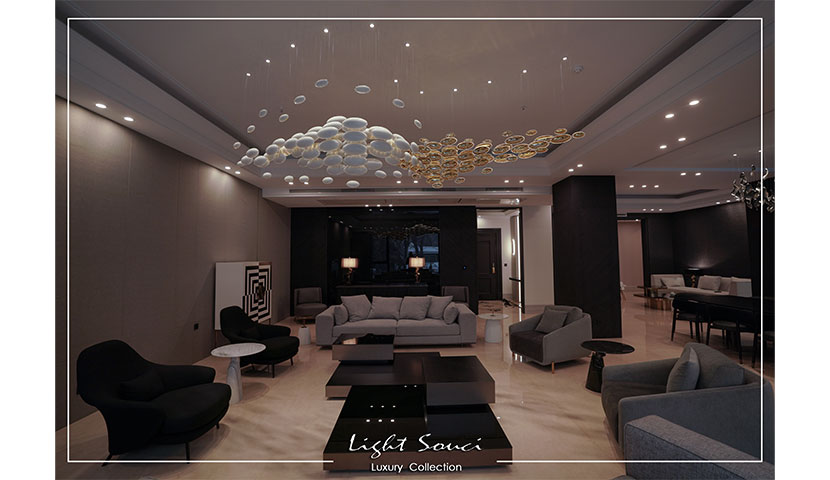
A chandelier should suit the room’s dimensions and ceiling height. An oversized fixture can make a small room feel crowded, while a small chandelier may look insignificant in a large, high-ceilinged space. Choosing the right scale and hanging height helps the fixture feel connected to the room.
Harmony with the architectural style
A chandelier can continue the visual language of a space. In a minimalist interior with clean lines, a geometric fixture with restrained details may feel at home. In a classical interior, a more ornate chandelier can relate to the room’s decorative features. A contrasting design can also become a focal point when its scale and placement are carefully considered.
 Light quality and direction
The architecture influences how light moves through a room. Wall colors, materials, windows, and furniture all affect how light is reflected or absorbed. A chandelier should suit the room’s purpose: lighting over a dining table has different requirements from general lighting in a living room or lobby. Combining downward, diffused, and supplementary lighting can improve usability while bringing out architectural details.
Comfort and function
A chandelier should not obstruct movement or block sightlines. Its position and hanging height should provide useful light without interfering with circulation or conversation. In a multipurpose room, it can work as part of a layered lighting plan alongside wall lights, table lamps, or concealed lighting.
Highlighting materials and details
Light interacts differently with wood, stone, fabric, and reflective surfaces. The chandelier’s materials and light distribution can enhance these textures and colors, or create unwanted glare. Considering the finishes in the room helps create a more comfortable and cohesive result.
Conclusion
When a chandelier is designed or selected to suit a space’s architecture, it becomes more than a decorative object. It can support visual balance, provide appropriate light, and make the room more comfortable. Scale, architectural style, materials, room function, and light distribution are all important parts of that decision.
Yaser Yadegarfar
Founder & CEO of Light Souci